


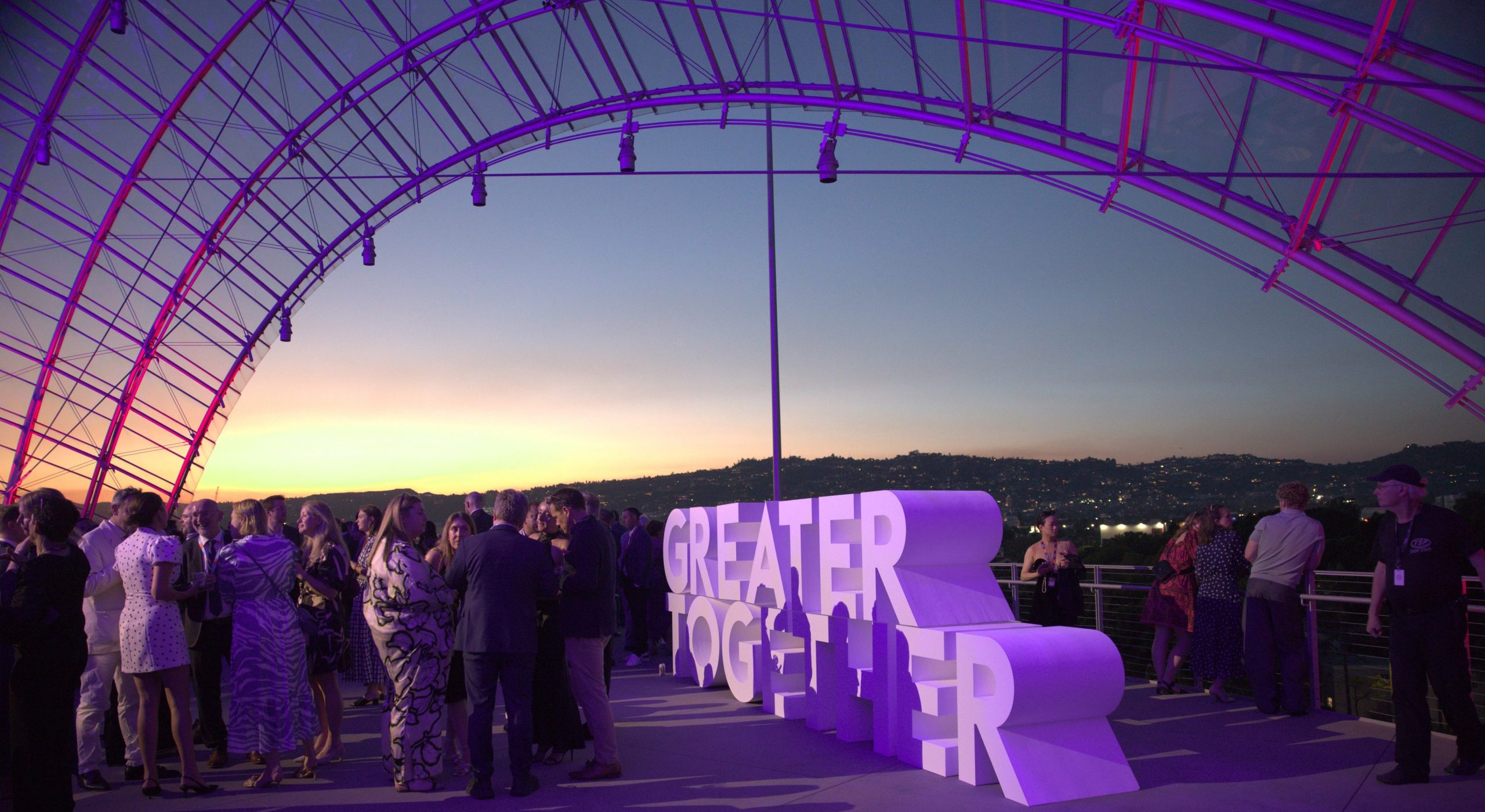
The market challenge
B2B audiences are busier than ever, and far less tolerant of corporate narrative delivered as “content”, with 73% saying they actively avoid suppliers who send irrelevant outreach [1].
Yet many B2B event programmes are still built around brand-first messaging and “one and done” moments. Rather than designing value exchange people genuinely choose.
The result is a widening gap between what attendees want and what they experience.
If your programme is still built as a single day with a thin layer of lead capture, you’re leaving relationship depth, deal momentum and partner value unearned.
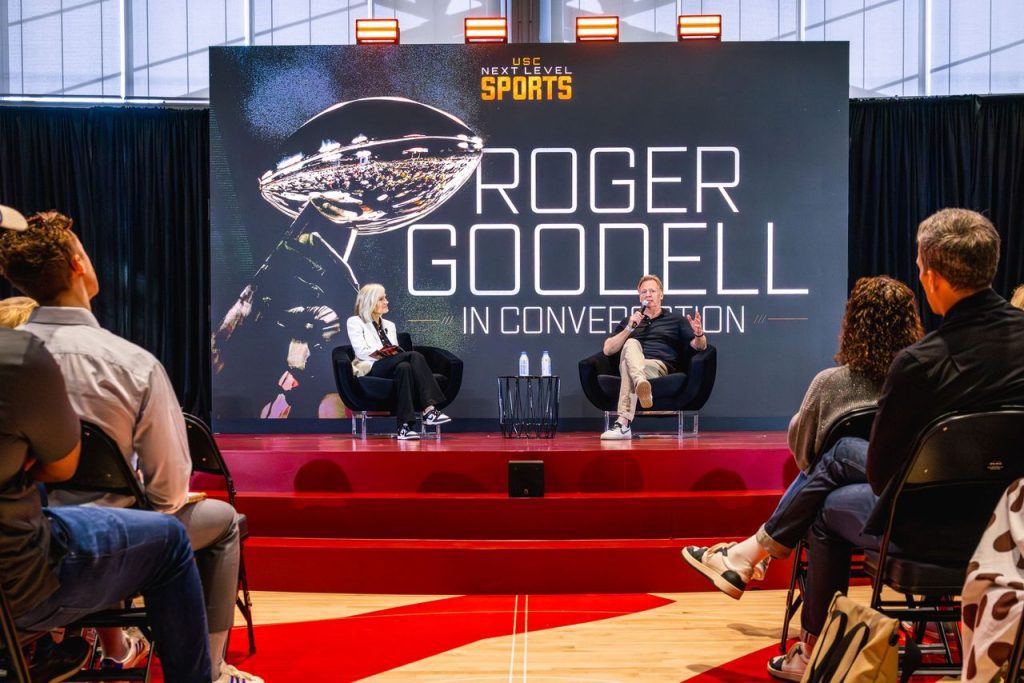
Why now?
2026 is an inflection point for B2B events because the category is being forced to mature.
Forrester’s Q1 2025 State of B2B Events survey found budgets are flat or down for two-thirds of events teams for the second consecutive year and overall event satisfaction dropped 8% from 2024-2025 [2].
However, on the flip side, events remain one of the strongest levers B2B marketers have.
Bizzabo reports 78% of organisers consider in-person conferences/ summits their organisations most impactful marketing channel. 71% say in-person B2B conferences are the most effective way to learn about a new product or service [3].
The catch? Attendees are expecting more interactive, personalised experiences, to generate impact beyond the day.
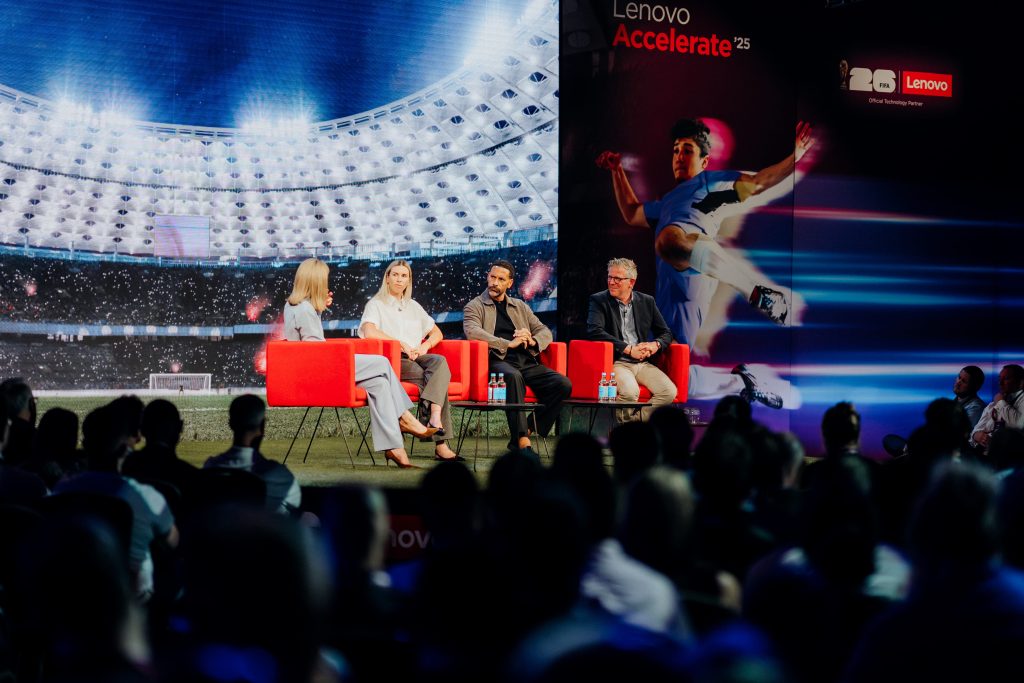
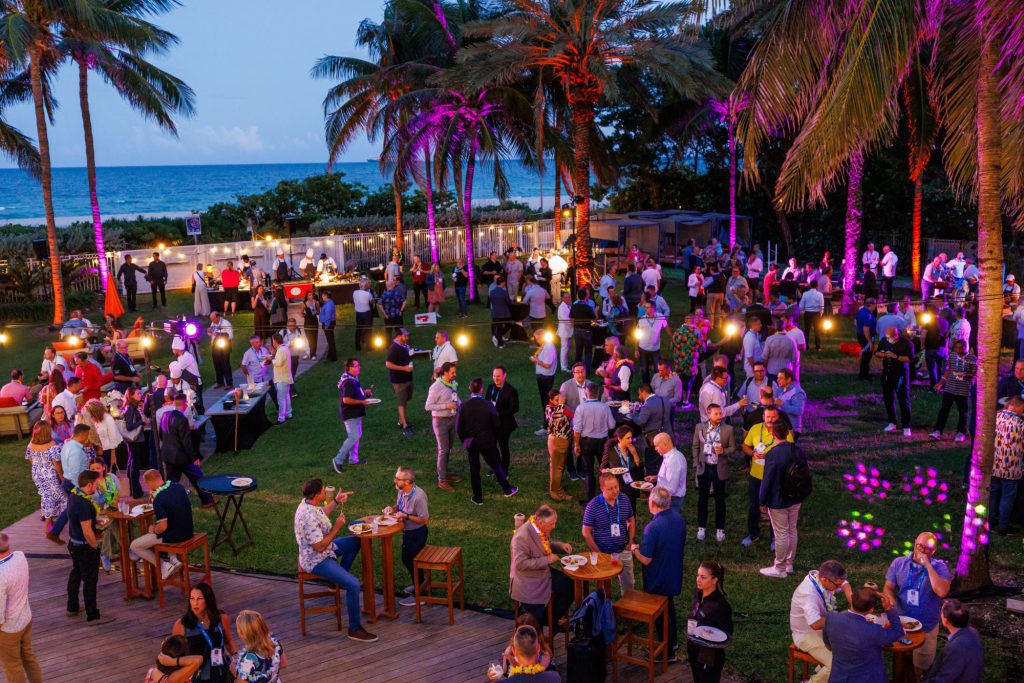
Five key considerations for brands
Bring B2C thinking into B2B doing
Create something where the audience senses you understand their world and have built something for them. Because B2B strategies that appeal to emotions are 7x more effective at driving long-term sales, profits and revenue than purely rational messaging [4].
Experience over everything
Treat the programme like a product. Frictionless onboarding, clear value fast, a reason to stay.
Design around persona-driven value exchange
Start with the audience ‘job to be done’, then design the agenda, networking and environment around it. The experiential edge; attendees also want space, free time, and immersive elements that help them engage more deeply [5].
Create hybrid journeys, not ‘a day’
We design hybrid as a connected journey (pre → live → post). Event tech should remove friction, enable participation, and make your content and connections more usable.
Reframe ROI by mapping impact metrics across time
Stop trying to squeeze ROI into post-event lead counts alone. Design measurement across the full arc: pre-event intent, on-site engagement, post-event pipeline movement, deals, retention and advocacy.