


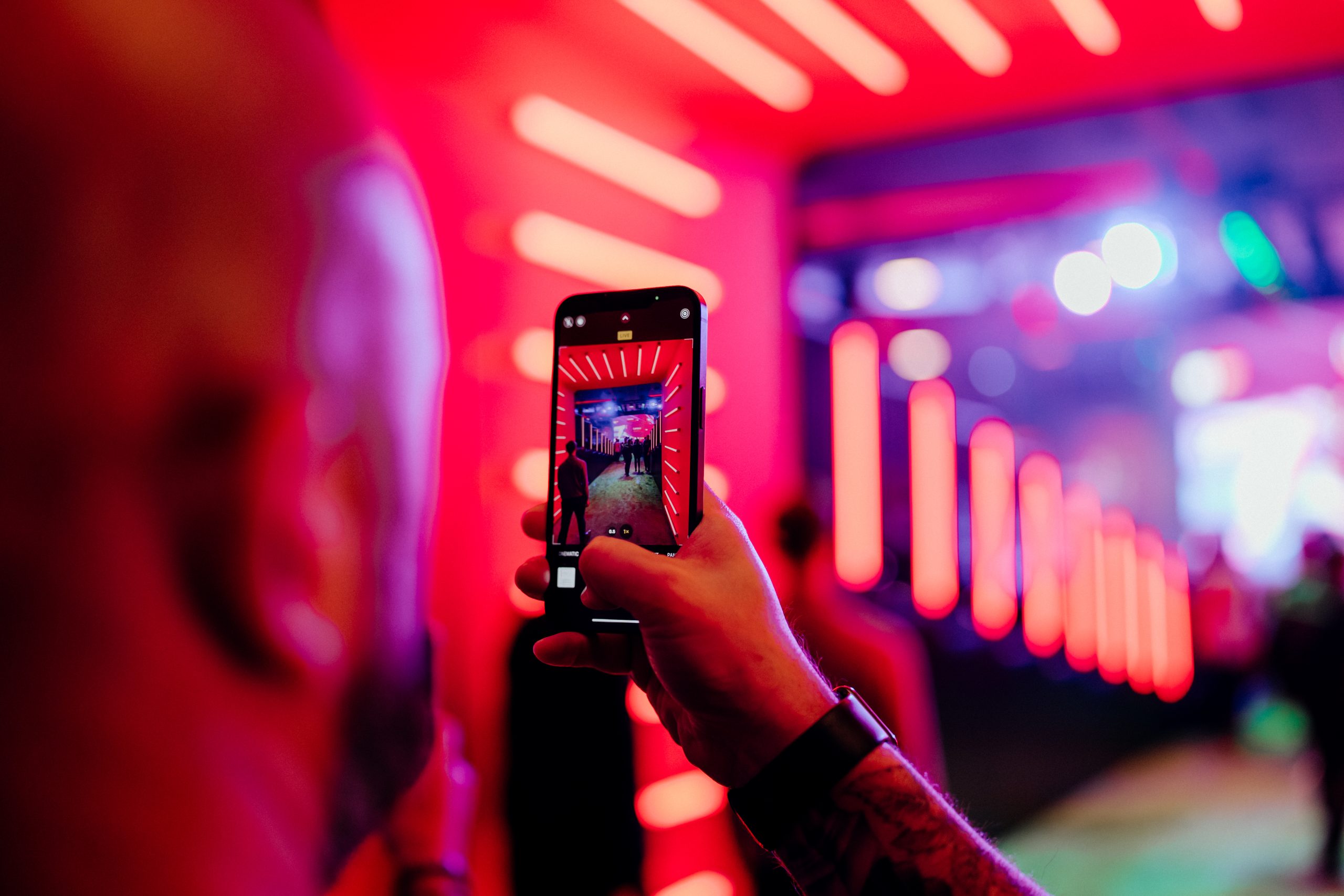
As we look ahead to 2026, brand experiences are shifting into what our Creative Director calls The Age of Experience Engineering. No more one-off stunts and simple activations. Today’s audiences demand cohesive, end-to-end journeys that feel personal and well designed.
Experience Engineering brings this all together, blending creativity, technology and behavioural insight to orchestrate experiences that feel tailor-made for each individual. The goal isn’t just to dazzle in the moment but build a meaningful, adaptive journey that grows with the audience.
And the numbers back this up.
Experiential spend is set to hit $128B, almost half of brands plan to increase budgets, and 85% of people are more likely to buy after a live experience. Personalisation alone can drive a 20–25% uplift in performance. In short, we’re at a time where intelligent experience systems will separate leaders from laggards.
At our recent TBA Leadership Summit, and through the work we’re delivering around the world, four themes are standing out as the ones that will define 2026: hyper-personalisation, immersive multisensory environments, AI-led storytelling and community-driven content.
1. Hyper-personalisation
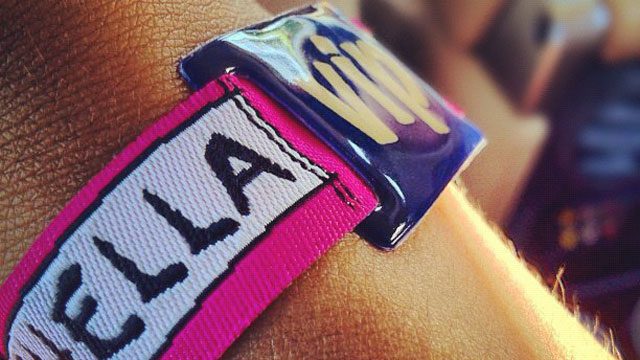
Take Coachella. The festival uses RFID wristbands not just for entry, but to tailor the adventure for each attendee. The wristbands track where you go and how you engage, unlocking personalised art installations and digital content along the way. They can even trigger custom visual moments on stage screens or art pieces as you approach, and afterwards you receive a personal “recap” video of your weekend – a digital memento generated from the unique mix of places you visited and music you danced to.
2. Immersive brand worlds
Immersion isn’t just a buzzword, it has measurable impact. Data shows multi-sensory experiences boost recall by 70%+, and people are 4× more likely to describe immersive events as memorable. Dynamic lighting, spatial audio and reactive spaces now help us build brand worlds that shift with energy and behaviour.
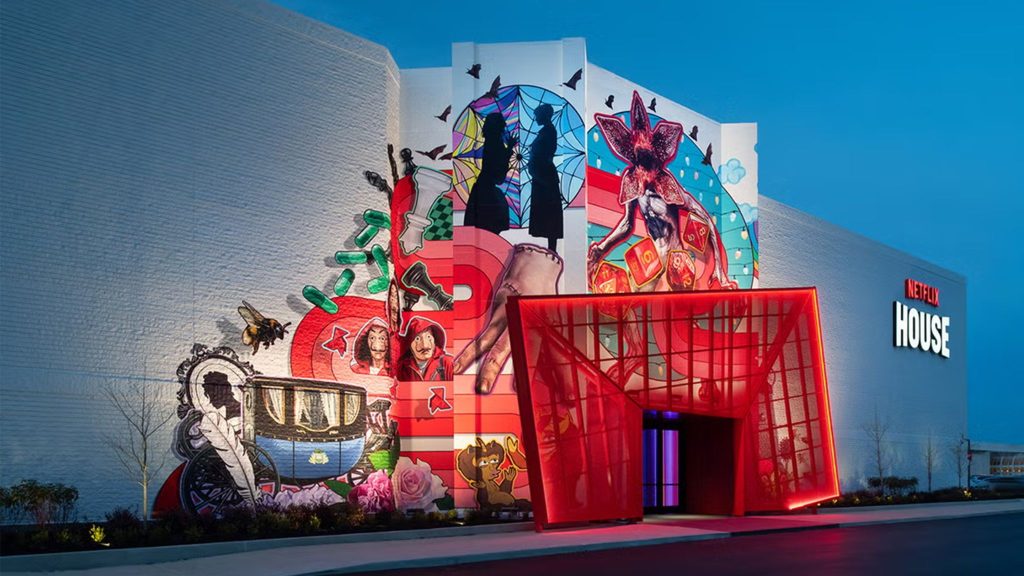
Netflix recently opened Netflix House, the streamer’s first permanent immersive venue. Spanning 100,000 square feet, Netflix House is part retail store, part theme park and part restaurant. Essentially a playground for fans to eat, play, and shop inside their favorite shows. It’s all one connected experience that plays squarely into fandom culture through discovery, sensory immersion, play – and yes, pay. By engaging multiple senses and emotions, Netflix’s brand world becomes far more memorable and shareable than any billboard or banner ad could ever be.
3. AI-enabled storytelling
AI is well and truly in the zeitgeist and brands supercharging their storytelling with AI are seeing engagement metrics soar (some early adopters report 40–60% higher engagement after weaving AI into their experience design). Real-time narrative changes, adaptive content and predictive insights help stories feel smarter, more relevant and more emotional.
A great showcase here comes from EPS Fragrances. They partnered with new media art studio Ouchhh to create the world’s first AI-powered perfume experience. They transformed data from a thousand fragrance notes grown in their botanical garden into a living artwork through AI. As visitors explored each scent, AI read their neural responses in real time and turned those reactions into a second layer of art that changed with every individual.
4. Community-powered content
92% of people trust individuals over brands, which is why creators, fans and micro-communities now shape what audiences pay attention to. Co-creation is now an expectation if you want your brand to authentically connect.
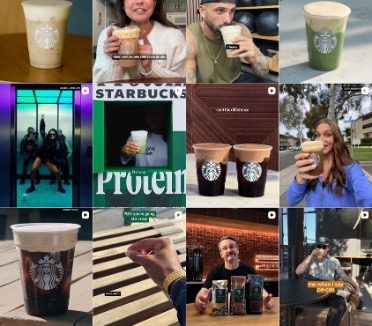
Starbucks and their community-powered content is still going strong in 2025, with customers driving a huge amount of what the brand puts out. Their “Back to Starbucks” push focuses on real stories and real moments, and most of their social presence is built around people sharing their own Starbucks experiences. It feels authentic, it travels fast, and it shows how powerful community-led content can be when the audience becomes part of the brand’s voice.
These four shifts mark the beginning of the Experience Engineering era. One defined by intelligence, connection and shaped around real human behaviour. We’re moving away from stand-alone moments and toward responsive systems that learn, adapt, and evolve with the audience.
Brands embracing this are setting new expectations. Leading the pack, shaping culture and defining what the next era of brand experience looks like.
Written by, TBA UK Creative Director