


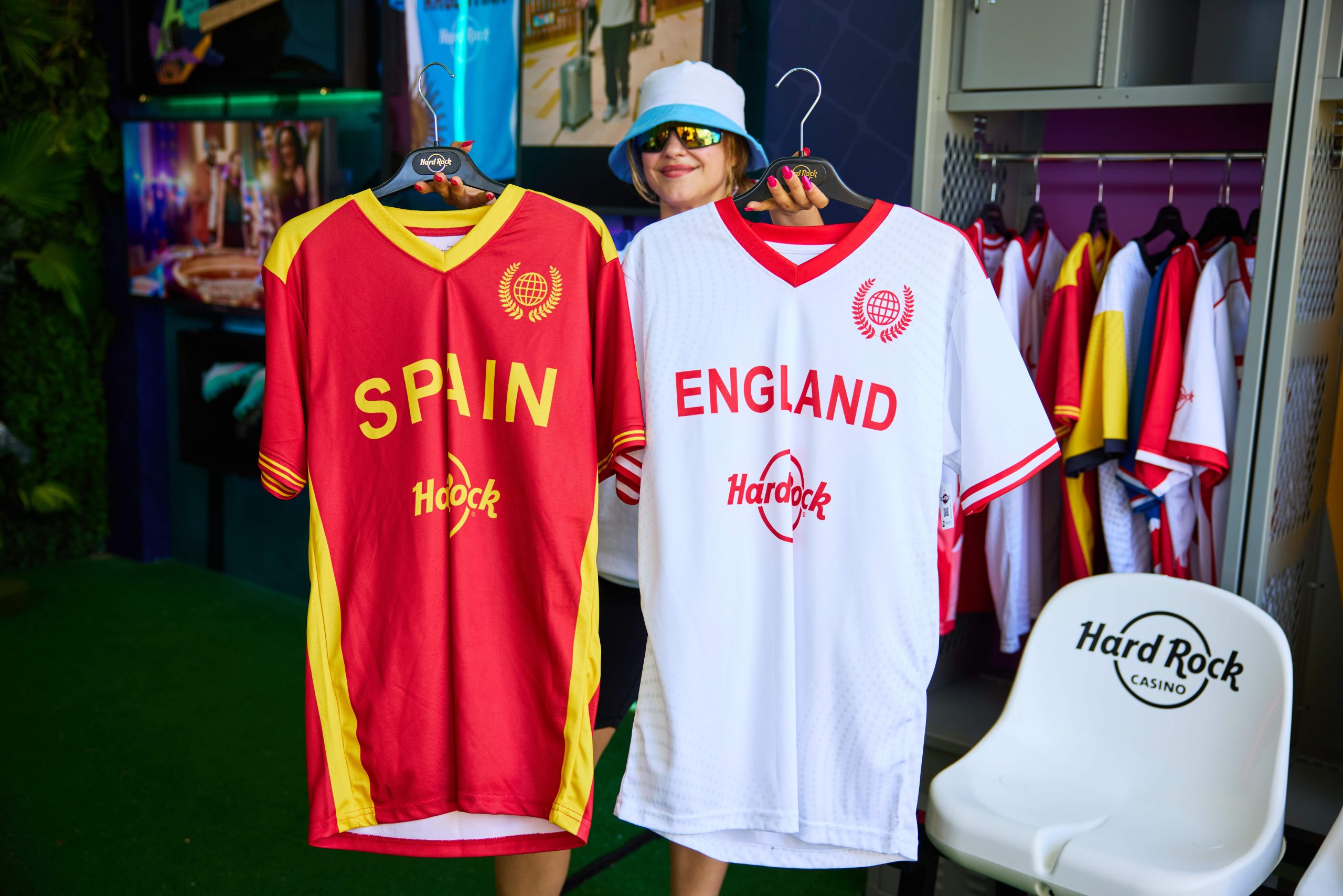
Three brands. Three different approaches. One common thread: a connected team, a clear point of view, and the confidence to let the idea lead.
In one of the world’s most commercially crowded stages, the brands that cut through aren’t necessarily those with the biggest budgets. Money can buy presence, but insight earns attention.
We asked our Creative Director, Layla Holland, which ones have genuinely impressed her. What they got right, and what they say about what good brand work looks like right now.
1. Levi | Turning a restriction into a moment
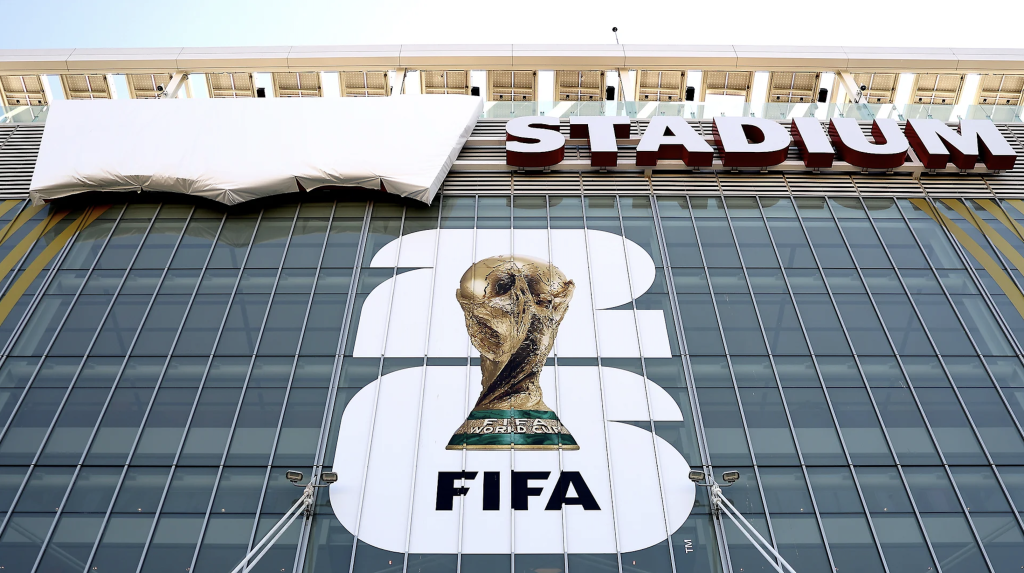
FIFA’s tournament regulations required all commercial branding inside host stadiums to be covered or removed. For most brands, that’s a logistics problem: find a way to comply, minimise the damage… now how do we activate the brand elsewhere at the competition.
Levi’s did something different. Rather than simply concealing their logo entirely, they covered only the iconic logo completely in white, leaving a ghost of the mark visible, simultaneously present and absent.
“The brief was most-likely a logistics one. Not a marketing one. But somewhere between the problem and the solution, an idea was struck “
What makes this work is the self-awareness of it. The idea doesn’t fight the restriction but leans into it. It says: we know you can’t see us in here, and we’re comfortable enough in our own brand recognition to have some fun with it!
That kind of confidence is dynamite in brand communications, and audiences have responded to it.
Then they mirrored the treatment across their social channels, extending the idea beyond the venue and into the digital world. Captivating the online world in the joke, and causing a viral moment where it’s impossible to think of this year’s World Cup and not Levi too!
2.Clase Azul | Soul over sponsorship

I’m sure we are all familiar with traditional sporting brand partnerships while we are watching the game: branded bunting, coasters, fixture boards, umbrellas, plastic cups. The sport as a media buy. Eyeballs as the metric.
Then luxury spirits brands enter the field, who are increasingly taking a different approach, treating major sporting moments as cultural platforms rather than advertising inventory. Clase Azul’s World Cup activation is one of the clearest examples of what that looks like when it’s done well.
With their launch of a limited-edition tequila celebrating the tournament and Mexico’s role as one of three host nations. Mexico, being the heartbeat and home of Clase Azul brand too. It’s design, beautifully inspired by the energy and feeling of Mexico and World Cup.
“Great branding isn’t about placing a logo on something. It’s about creating something people feel connected to through great design.”
The bottle doesn’t carry the World Cup logo. Instead, it reflects the same themes of pride, achievement and national identity through its handcrafted design and distinctly Mexican flavour profile.
What’s particularly clever is the commercial architecture underneath the creative. The partnership unlocks net-new audiences through football. People who might never have encountered the brand through its usual channels. It deepens engagement with existing fans through heritage and craft. And it creates real value in the overlap between those two groups: the football fan who is also a collector, a design enthusiast, someone who appreciates when a brand takes its own identity seriously.
3. Heineken | grounding the idea in insight
Nearly half of this summer’s World Cup matches are airing during work hours in the United States. According to a consumer survey, 52% of US desk workers admit they’ve lied to their employer to watch a football match… we would never!
That’s a powerful insight. And Heineken used it to build something genuinely original.
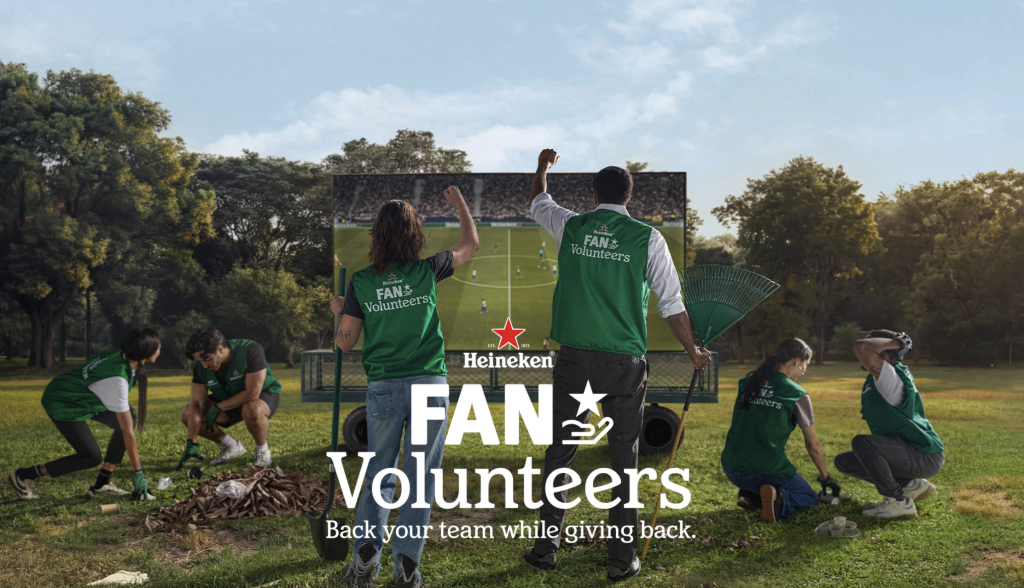
Heineken’s Fan Volunteers is a first-of-its-kind initiative that specifically recognises Volunteer Time Off, giving fans a legitimate, sanctioned reason to step away from the office to watch the game, by doing community good at the same time. Even helping employees draft a letter to propose the initiative to their HR teams!
In New York City, Fan Volunteers are packing 3,250 meals for a local soup kitchen and food pantry. In Miami, they are clearing 3,100 square feet of green space at Virginia Key Beach.
“Solve a real audience need, and you stop competing for attention. You start creating emotional memories.”
The elegance of this idea lies in its layers. It solves a real fan need, gives employers a socially valuable reason to say yes through a legitimate volunteering mechanic, and creates positive brand association in the process. It generates earned media, delivers genuine community impact, and does so without compromise. Every outcome pulls in the same direction because the insight is strong enough to hold them all together.The activation also does something that the most memorable brand work always does: it makes the audience feel seen. Not sold to but seen. That’s the feeling guests will carry the next time they see a Heineken logo.
In summary;
What connects these examples is not what they did, but how they thought. The best brand activation rarely starts with asking how to get noticed. It starts with understanding a moment, an audience, or a problem worth solving.
These three examples show what can happen when brands have the confidence to build from that insight.